Operator first. Builder by necessity.
Two decades running real businesses. Now I direct AI agents to build the software they need, and I decide what ships.
See it run.
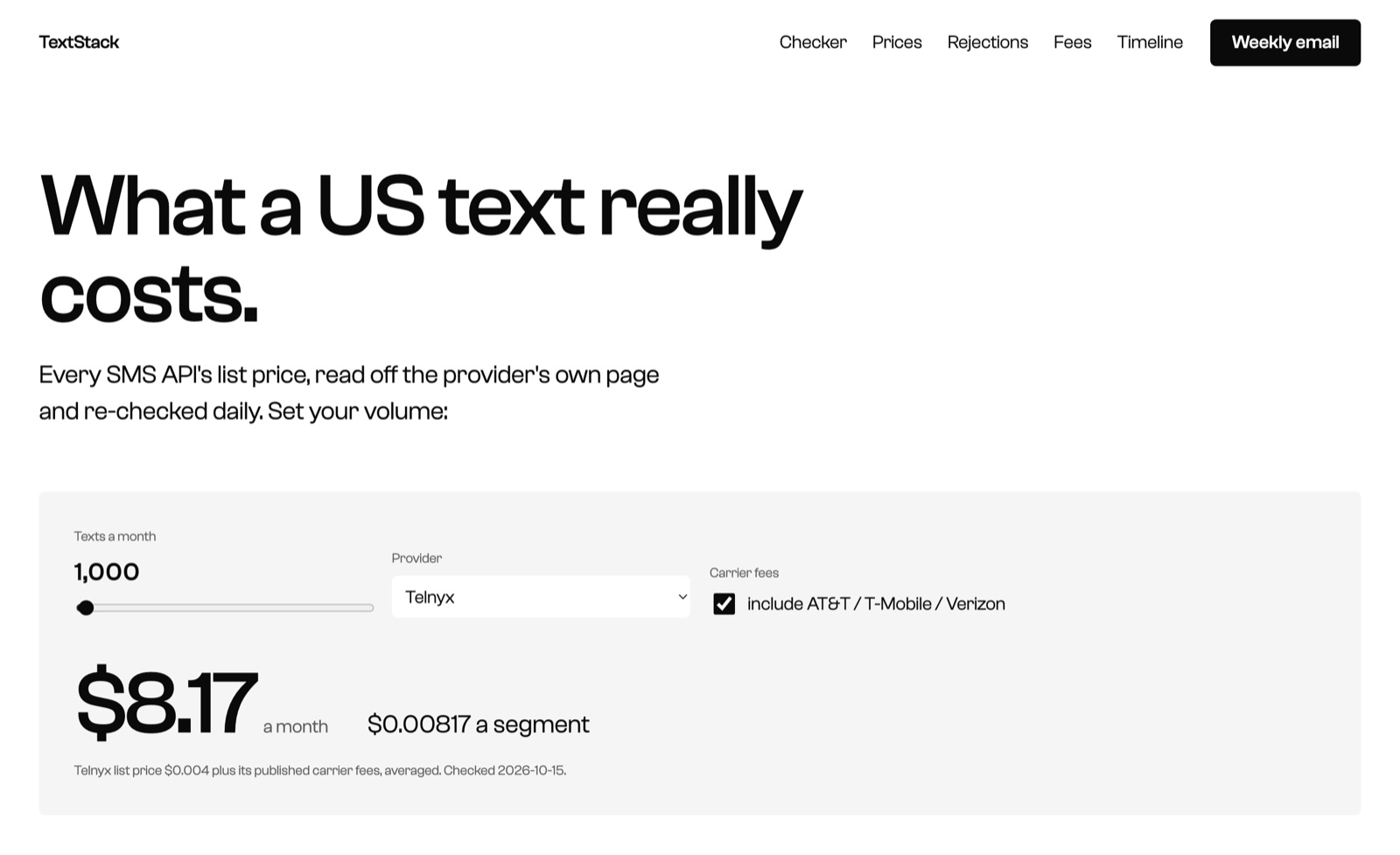
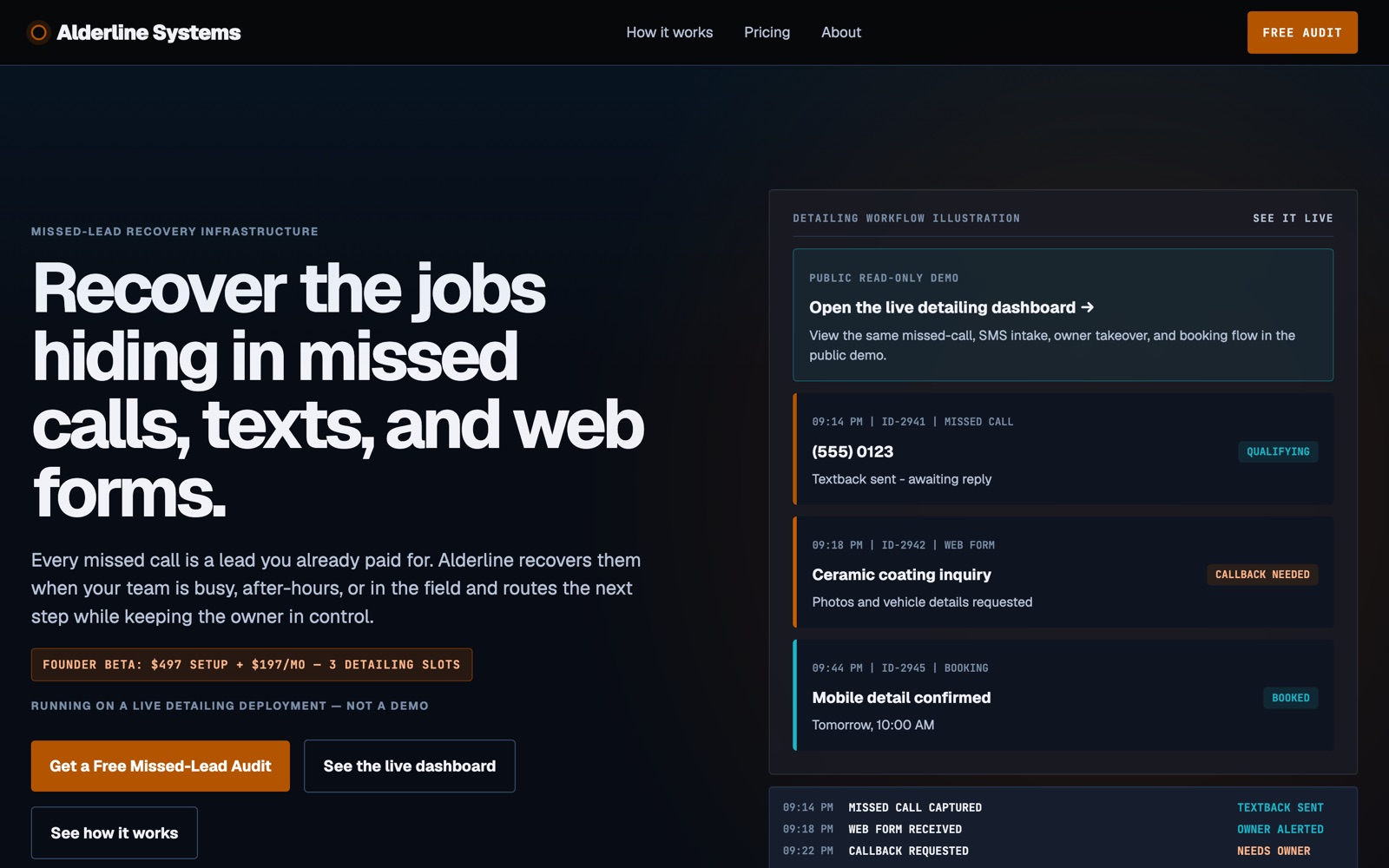
Alderline Agent
Missed calls, texts and web forms for my detailing business land in one owner inbox. The assistant handles routine replies, flags what needs me, and I can take over any thread or confirm a booking by hand.
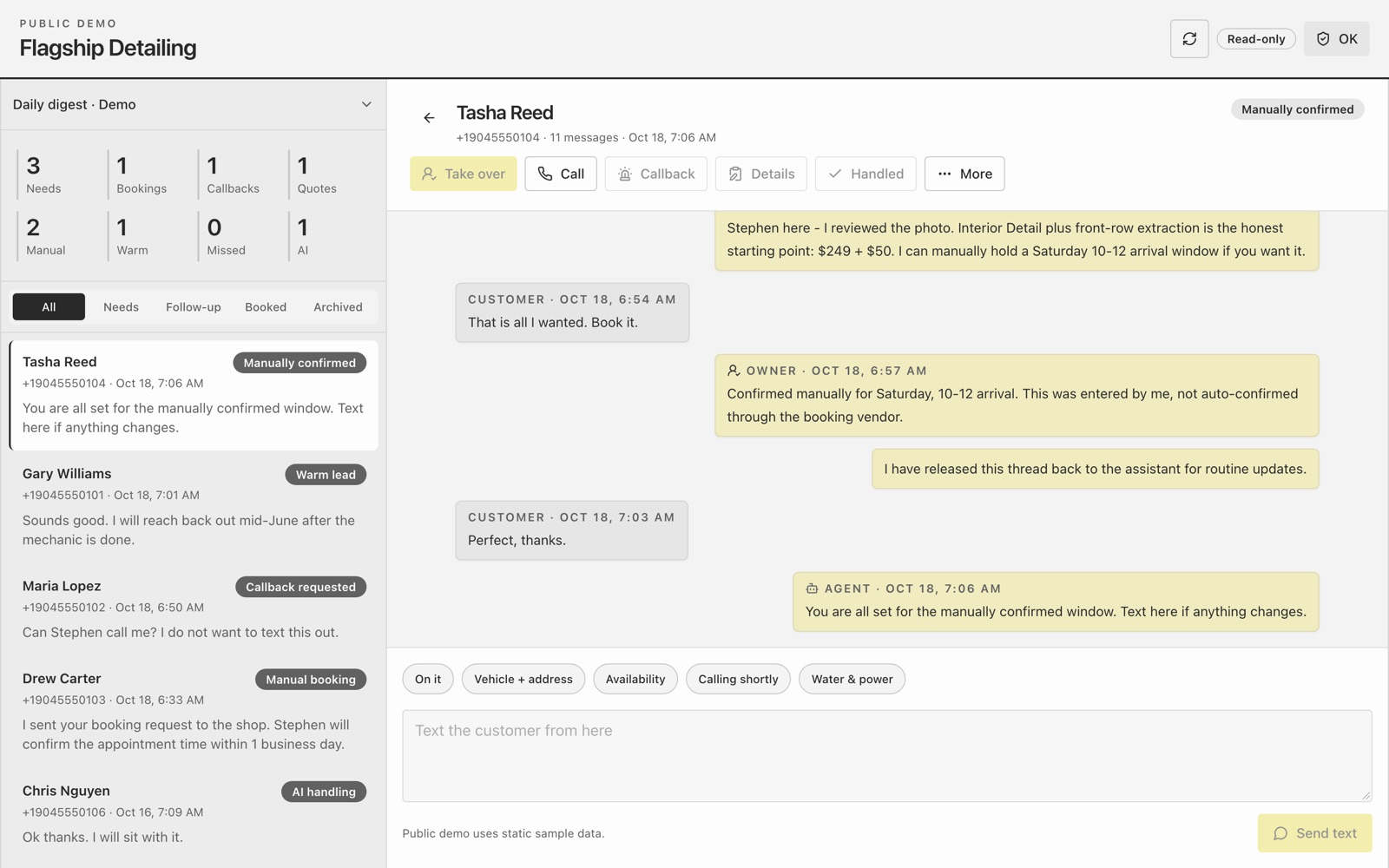
SSHHIP for Android
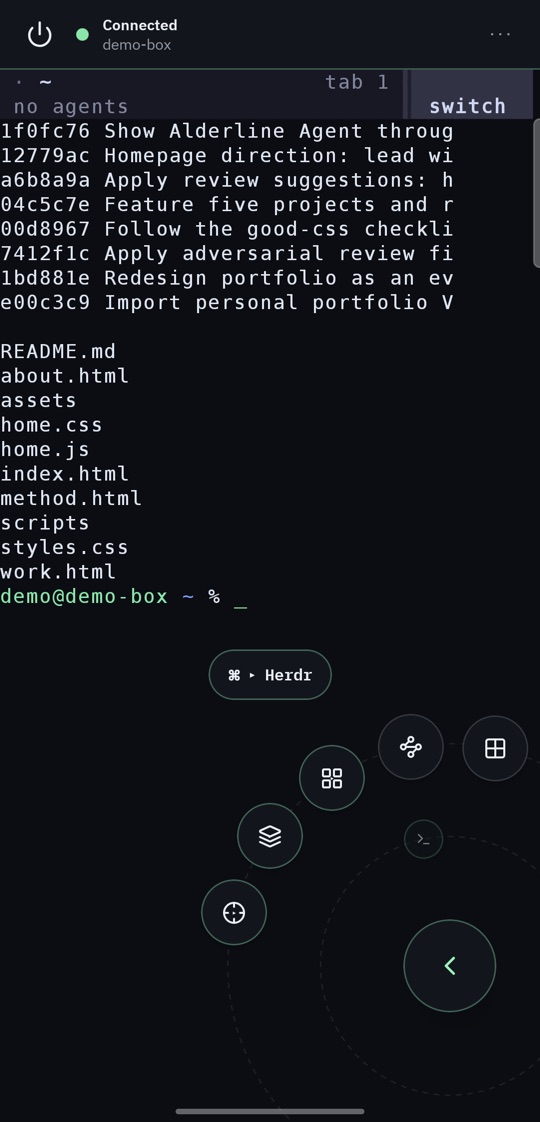
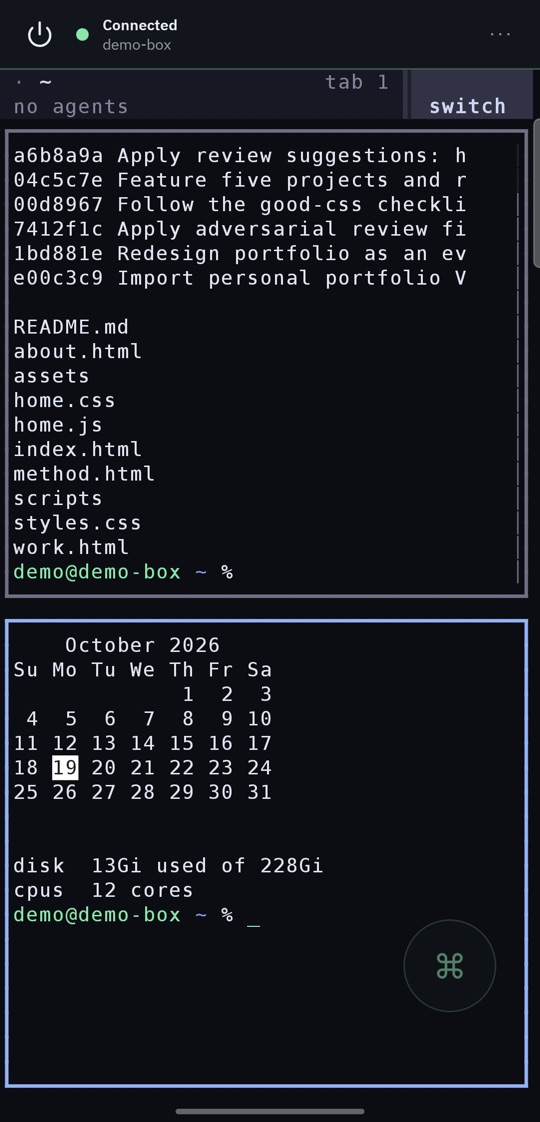
SSHHIP puts your own machines' terminals on your phone. I'm building the Android app. Here it runs a shell, opens the Command Dial's pane controls and splits the screen into two panes.
TextStack
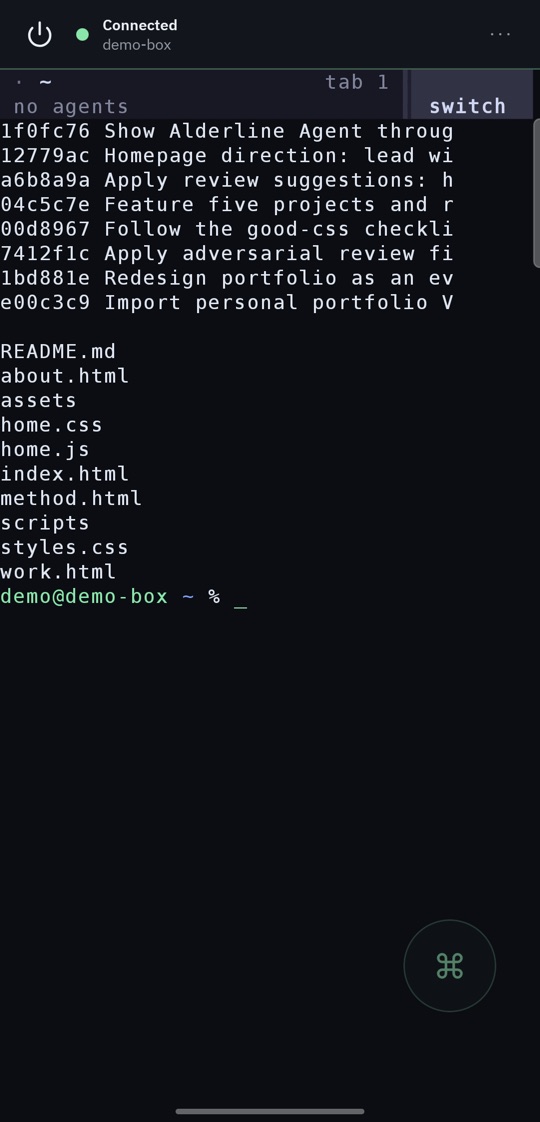
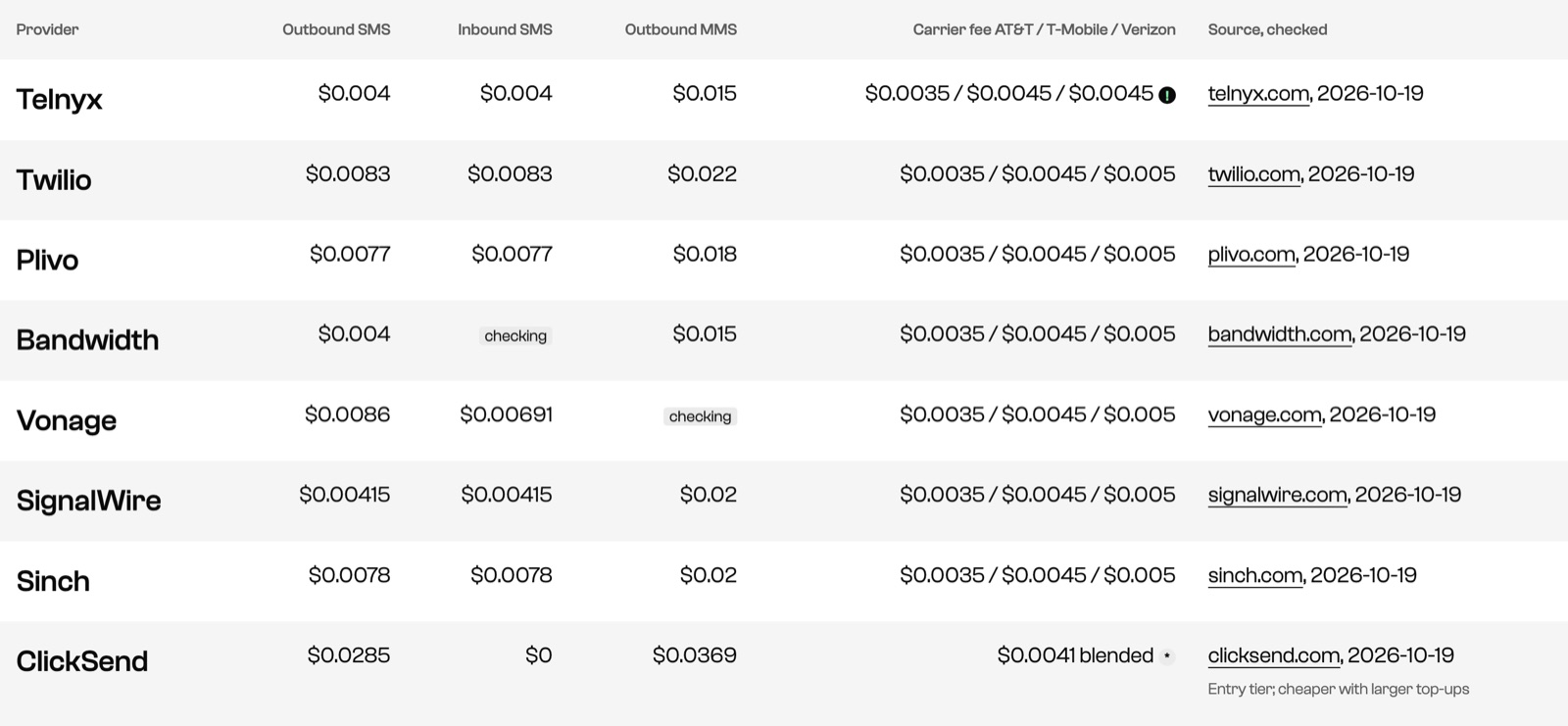
What a US text message really costs across eight SMS providers. Every price is read off the provider's own page and re-checked daily. When a number can't be read, it says "checking" instead of guessing.
PackSift
A CLI that compares the npm tarballs people actually install, not the Git diff. It lists what changed and leaves the judgement to the reader. Here it compares two lodash releases.
$ npx @ssbrouhard/packsift [email protected] [email protected]
packsift  [email protected] -> 4.17.21

-- Flagged ------------------------------
  No notable supply-chain signals.

-- Files --------------------------------
  added    5
  removed  0
  changed  12

  C  README.md                    (+2 / -2)
  A  _baseTrim.js                 (new, 0 -> 444 B)
  A  _trimmedEndIndex.js          (new, 0 -> 515 B)
  C  core.js                      (+1 / -1)
  C  core.min.js                  (+24 / -25)
  A  flake.lock                   (new, 0 -> 963 B)
  A  flake.nix                    (new, 0 -> 459 B)
  C  lodash.js                    (changed, binary/large, 530 KB -> 531 KB)
  C  lodash.min.js                (+126 / -125)
  C  package.json                 (+1 / -1)
  C  parseInt.js                  (+1 / -1)
  A  release.md                   (new, 0 -> 2 KB)
  C  template.js                  (+21 / -0)
  C  toNumber.js                  (+3 / -5)
  C  trim.js                      (+2 / -4)
  C  trimEnd.js                   (+3 / -5)
  C  trimStart.js                 (+1 / -1)
Governance Context Object
A reference implementation that stops a delegated AI agent from claiming authority its parent task never had. In this demo a child agent asks to widen "read summarize" into "admin delete". Naive delegation allows it; the GCO runtime refuses.
$ python examples/demo_authority_escape.py
Delegated child requested widened scope: admin delete
Naive ungoverned delegation allowed? True
GovernanceRuntime decision: Decision(allowed=False, reason='tool authority scope expanded', error_code=<DerivationError.TOOL_AUTHORITY_EXPANDED: 'tool authority scope expanded'>, child=None, value=None)
Selected work
- Alderline AgentMissed-lead recovery, SMS follow-up and booking for my detailing businessPrivate, in use
- SSHHIP for AndroidAndroid client for Kun Chen's remote-terminal app, alongside his iOS appIn testing on Google Play
- TextStackUS SMS prices, carrier fees and 10DLC registration, every number sourcedLive
- GCOAuthority limits for delegated agents, reference implementationv0.1.0
- PackSiftWhat's really inside an npm releaseOn npm
Plus 41 merged pull requests to six projects other people created, and smaller tools and sites.
The sites my businesses run on


How I work
I run Flagship Detailing, a mobile detailing business in Northeast Florida. Most of what I build starts there: a missed call that never became a booking, an SMS assistant that began asking customers for details they'd already given.
AI agents write most of the code. I name the problem, set the bar for done, read the evidence and decide what ships. Merged, deployed and working are three different claims, and I check each one.
The agent tooling is largely other people's work: Kun Chen's Firstmate and Grok Ship, and methods from Lauren Tan's pstack. I contribute back where I can.
Stephen BrouhardJacksonville, Florida
Building something that has to work?
I'd like to hear from founders, engineers and operators working on agentic systems, developer tools and practical automation.